Best Vacuum for Cat Litter: Dry Cleanup Without Spreading the Mess
Choose a practical vacuum for dry loose cat litter, compare handheld and canister options, and learn what to remove separately.
As an Amazon Associate we earn from qualifying purchases. Our recommendations are based on editorial research; we identify hands-on testing when performed. Read our methodology.
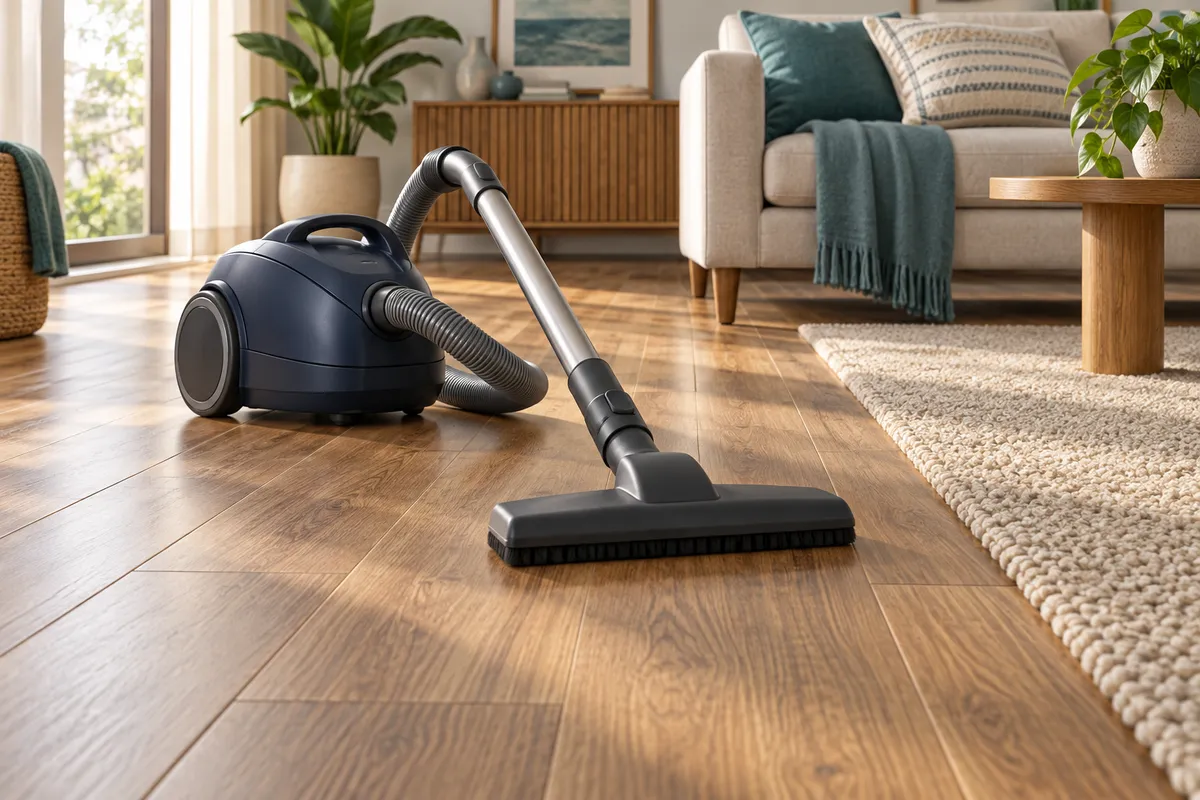
Table of Contents
For cat litter, choose a dry-cleaning vacuum with a suitable tool, accessible airflow path, and manageable bin or bag maintenance. Pick up only dry loose litter the manufacturer permits. Wet, clumped, or visibly soiled material should be removed separately by an appropriate disposal method. A washable filter does not turn a dry vacuum into a wet cleaner.
The best format depends on where litter ends up. A handheld can stay near the tray for small dry spills. A canister can cover a larger hard-floor area and reach corners. A carpet tool may be necessary when grit and hair settle into an approved rug. These are research-based format recommendations, not measured litter-pickup tests.
Before choosing a machine, reduce the mess at its source
A suitable litter mat and a routine for sweeping up larger spills can reduce the amount reaching the vacuum. Position the tray so the cleaning tool can reach around it without moving a heavy box each time. Remove toys and loose cords before cleaning.
Do not deliberately vacuum large piles just to test a machine. Litter varies in particle size, weight, dust, and behavior when damp. Fine material can load a filter quickly, while larger pieces can obstruct a narrow inlet. Follow the vacuum’s debris restrictions and clear an obvious pile separately when appropriate.
A shortlist by cleanup job
| Option | Useful role | Watch for |
|---|---|---|
| BISSELL Pet Hair Eraser 2390A | Small dry spills and nearby upholstery | Use an appropriate nozzle; avoid scattering grit with a rotating brush |
| Miele Classic C1 Pure Suction | Wider hard-floor cleanup with a bagged canister | Approved floorhead, bag costs, and body storage |
| Existing vacuum with a crevice or suction-only tool | Edges beside the tray | Tool clearance, clogging, and manufacturer restrictions |
There is no need to buy a new appliance if the existing one has a suitable tool and handles permitted dry debris reliably. For frequent small spills, convenience can matter more than owning another full-size floor vacuum.
Handheld option: BISSELL Pet Hair Eraser

A compact handheld for small dry cleanup jobs. Select an appropriate included nozzle for loose litter and verify the exact tool bundle.
BISSELL’s product-family page describes the available cleaning tools. A pet-hair brush is useful for its intended surfaces, but loose litter on a hard floor may call for a suction nozzle instead. Test tool behavior gently on permitted debris rather than assuming every brush improves pickup.
A dedicated handheld is easy to keep near the cleaning area, but its bin and filter still require attention. Check emptying access, replacement filter availability, and charging location. If the machine is stored far from the tray or is awkward to empty, it may not improve the routine.
Choose this format for small, frequent dry messes. Consider a larger setup when litter is tracked through multiple rooms or when the same purchase must serve your whole home.
Canister option: Miele Classic C1 Pure Suction

A bagged canister for suitable dry household debris and approved flooring. Check the supplied suction floorhead and recurring bag costs.
Miele’s current product listing is the source for equipment details. Its straight-suction format deserves comparison for hard-floor rooms, provided the floorhead is permitted for your floor and the debris falls within the machine’s instructions.
A bag can make routine disposal more contained than shaking out a dusty cup, but do not interpret that as a guarantee against allergens or every odor. Bags are consumables, and fine dust can restrict airflow before a bag looks full. Keep the correct type available and change it under the manufacturer’s guidance.
The body, hose, and cord need storage. Compare that handling with a handheld rather than assuming a full-size machine will be easier for every quick spill.
Features that matter more than suction claims
Look for a tool that reaches the tray perimeter and admits the dry particles you need to collect. Check whether the hose can be detached and inspected, whether the bin empties without a complicated teardown, and whether replacement consumables are readily available.
Motor wattage is not a direct litter-pickup score. Nor does a large number in an online listing establish that the head will avoid scattering. Debris clearance, tool geometry, airflow restrictions, and floor compatibility all matter.
On vinyl plank flooring, consult our floorhead buying guide. A brush that is allowed on one surface may be inappropriate on another. Inspect wheels and tool undersides for gritty particles before cleaning elsewhere.
A sensible cleanup sequence
- Remove wet or soiled clumps separately.
- Clear large piles according to the vacuum’s permitted-debris guidance.
- Use an appropriate tool on remaining dry loose material.
- Clean edges slowly instead of driving a rotating brush through the spill.
- Empty or service the collection system as needed.
- Inspect the airflow path if pickup or odor changes.
If the vacuum begins to smell, use our odor guide. Do not sprinkle deodorizing powders or add oils without manufacturer approval. If airflow drops, diagnose the hose, bin, and filters before buying a more powerful machine.
Common questions
Can I vacuum used cat litter?
Restrict ordinary dry-vacuum cleanup to suitable dry loose debris permitted by the maker. Remove wet, clumped, and soiled material separately. Do not use a household vacuum as a substitute for routine tray disposal.
Will a robot vacuum solve litter tracking?
It may collect some permitted dry debris on accessible floors, but a robot is not a substitute for inspection around the tray. Contamination, tool fouling, and spreading mess can create extra work. Do not rely on obstacle detection to recognize every unsuitable spill.
Why does the brush throw litter backward?
Tool design, rotation, particle size, and settings can affect scattering. Stop and switch to an approved suction tool if available. More passes with the same scattering head may not help.
Keep reading
Best Vacuum for Vinyl Plank Floors: Choose the Right Head First
Find a vacuum setup for vinyl plank flooring, compare suction-only and lightweight options, and avoid brush choices that conflict with floor care instructions.
Why Does My Vacuum Smell? Remove Odors at the Source
Find why your vacuum smells musty, dusty, or like pets, then clean the right parts without masking odors or damaging the machine.
How to Clean a Vacuum Hose: Clear Clogs Without Damaging It
Learn how to check, unclog, and clean a vacuum hose safely, including which hoses must stay dry and when replacement makes more sense.
Vacuum Maintenance Guide: A Practical Checklist by Symptom
A model-aware vacuum maintenance checklist for bags, filters, hoses, brush rolls, odors, and lost suction, with links to detailed fixes.
Ready to Find Your Perfect Vacuum?
Compare vacuum features, tradeoffs, and documented product information
Browse All Vacuums